
The Role of Hospice Volunteers: Compassion, Presence, and Profound Connection
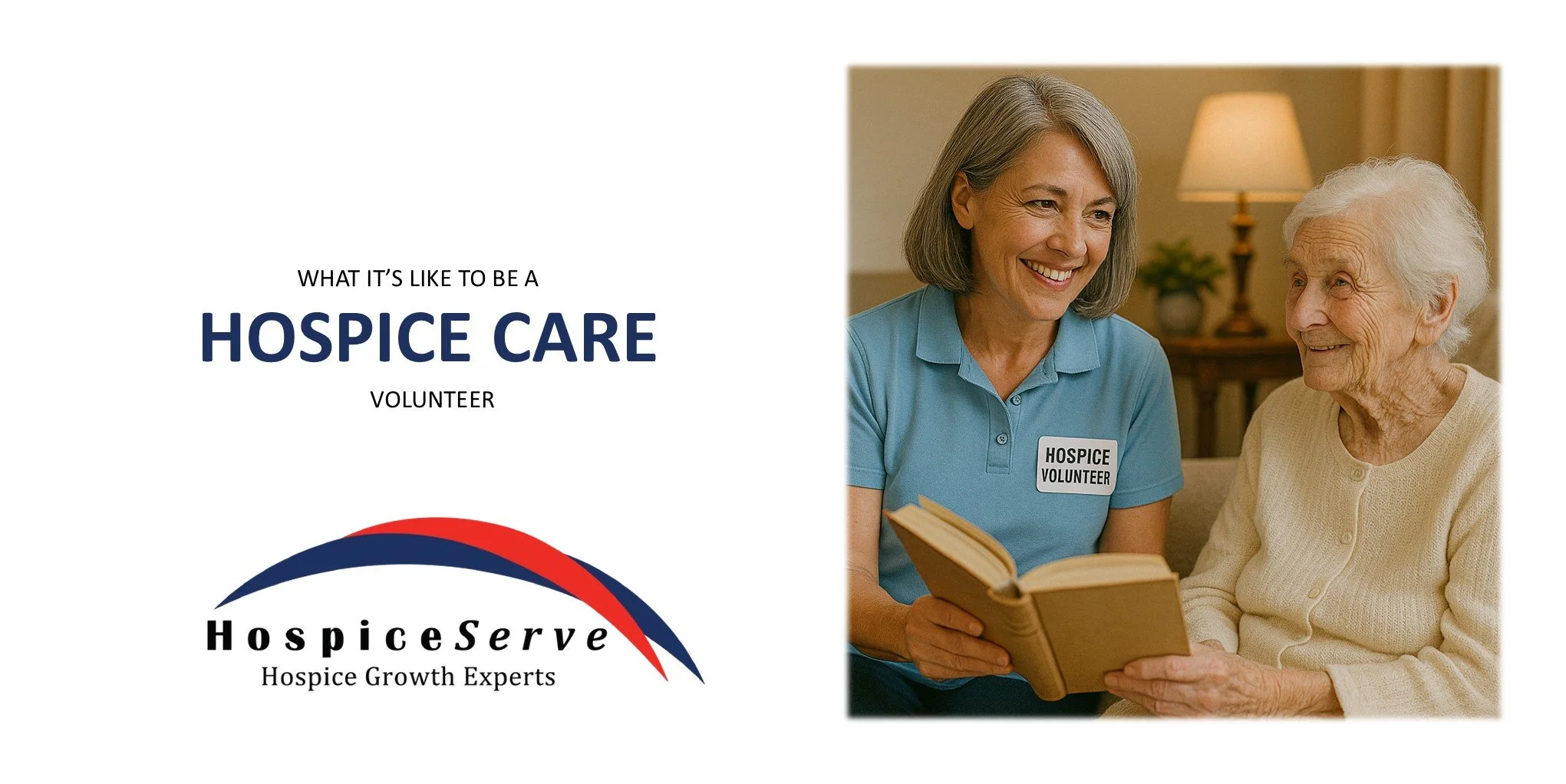
Becoming a hospice volunteer is more than an act of service—it’s a deeply human experience that invites you into moments of vulnerability, strength, and grace. Volunteers provide comfort, companionship, and dignity to patients nearing the end of life, while also offering relief and emotional support to their families.
With nearly 430,000 hospice volunteers serving across the United States each year, contributing approximately 19 million hours of care, their presence is essential to the success of hospice programs nationwide. These volunteers help ensure that no one walks the end-of-life journey alone.
The Gift of Presence
Hospice volunteers play a unique role in the lives of patients and families. Sometimes, that role involves simply sitting quietly next to someone. Other times, it means talking, listening, holding a hand, or helping with daily tasks. What matters most is the consistent, compassionate presence that volunteers provide—offering a steady light during a time of uncertainty and transition.
Common Hospice Volunteer Activities
While each hospice program may offer slightly different opportunities, here are some of the most common ways volunteers contribute:
Providing companionship by engaging in conversation, storytelling, or shared silence
Offering emotional support to patients and families navigating complex feelings
Reading books or letters aloud, or journaling for the patient
Playing music or creating personalized playlists for emotional comfort
Running errands or helping with light organizational tasks
Providing short-term respite so caregivers can rest or take care of personal needs
Participating in pet therapy if certified animals are involved
Supporting bereaved families after a loved one’s passing
Each of these roles supports the broader goal of hospice: to bring dignity, comfort, and presence to individuals during their final chapter of life.
Part of a Larger Team
Hospice volunteers work within a multidisciplinary team that includes nurses, aides, social workers, and chaplains. Volunteers extend the reach of this team by offering what clinical professionals often cannot—unstructured, heartfelt human connection. They are trained to understand boundaries, respect patient autonomy, and recognize when to involve the hospice team for clinical or emotional needs.
Moments That Matter
Volunteers are often surprised to find how much joy, laughter, and gratitude exists within hospice care. Whether sharing stories, helping patients recall cherished memories, or simply offering a quiet moment of peace, volunteers help transform the end-of-life experience into something deeply meaningful.
One volunteer described her experience like this:
“It’s not about fixing anything. It’s about witnessing—being present. I leave every visit humbled, and somehow more whole than I arrived.”
Navigating Grief and Growth
Supporting patients at the end of life means hospice volunteers inevitably encounter grief. However, they are not left to navigate this alone. Hospices offer grief training, emotional debriefs, and bereavement support for their volunteers, who often find that the experience of helping others becomes a path of personal growth and reflection.
A Volunteer Story: Angela’s Journey
Angela, a longtime hospice volunteer, brings gentle warmth to every home she enters. Whether she’s holding a patient’s hand or reading their favorite novel aloud, she offers quiet companionship that brings comfort during life’s most fragile moments. She often says the most important thing she brings is not her words, but her presence. Her work exemplifies the deep compassion and humility that hospice volunteering represents.
Thinking About Volunteering?
If you’re considering becoming a hospice volunteer, know that most hospices offer comprehensive training programs, which include topics like:
Patient confidentiality and HIPAA
Active listening and communication
Grief sensitivity
Cultural and spiritual awareness
Understanding the dying process
No prior medical experience is needed—just a willingness to show up with an open heart and a commitment to being present.
Volunteering in hospice is not about solving problems—it’s about creating a sacred space where individuals feel seen, heard, and honored. If you are drawn to this meaningful work, our hospice team welcomes you to learn more. Join us in making a difference—one quiet moment, one connection, one act of compassion at a time.