
Ensuring Senior Summer Safety: Beating the Heat with Hospice Care
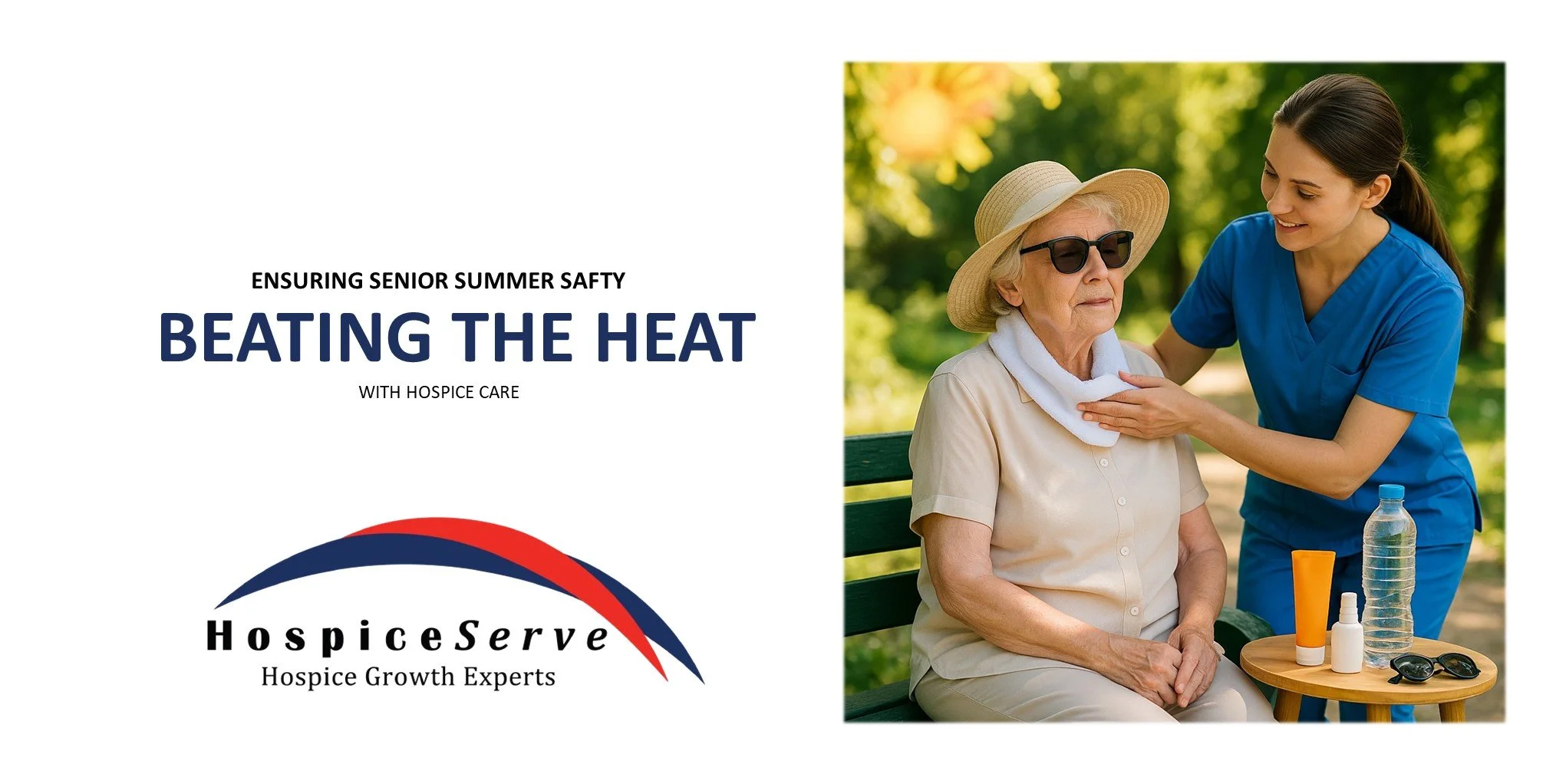
As summer temperatures climb, so do the risks for older adults. Seniors are particularly vulnerable to heat-related illnesses due to changes in the body’s ability to regulate temperature, the presence of chronic conditions, and side effects from medications. During July—recognized nationally for Extreme Heat Awareness, UV Safety, and Heatstroke Prevention—it's especially important to prepare, protect, and care for our aging loved ones.
According to the Centers for Disease Control and Prevention (CDC), adults aged 65 and older account for over 80% of heat-related deaths in the United States. But with the right preventative steps and care—especially when hospice services are involved—these risks can be significantly reduced, allowing seniors to enjoy the summer with safety and dignity.
Understanding Summer Heat Risks for Seniors
The aging body has a reduced ability to cool itself, making it harder to recover from exposure to high temperatures. This puts older adults at risk for:
Heatstroke
Heat exhaustion
Dehydration
Sunburns and skin damage
Increased risk of skin cancer and eye injury
For seniors living with serious illness or receiving hospice care, these risks can be compounded. Fatigue, limited mobility, and medication side effects can make it even more difficult to stay cool, hydrated, or aware of symptoms.
5 Ways to Keep Seniors Safe in the Summer
1. Keep Hydration a Top Priority
Encourage regular water intake, even if the senior doesn't feel thirsty. Avoid caffeinated drinks or alcohol, which can cause dehydration. Hospice teams often monitor fluid intake closely and can provide guidance on safe hydration levels for patients with conditions like heart failure or kidney disease.
2. Maintain a Cool Environment
Use air conditioning or fans to keep the living space comfortable. Seniors without home cooling should be encouraged to spend time in public places with air conditioning, such as libraries or senior centers. Hospice providers may help secure cooling equipment or recommend safe respite environments when needed.
3. Dress for the Weather
Lightweight, loose-fitting clothes made from breathable fabrics like cotton are best. A wide-brimmed hat and sunglasses with UV protection can help prevent heat-related complications when outdoors.
4. Avoid the Midday Sun
Encourage activities before 10 a.m. or after 4 p.m., when the sun’s intensity is lower. Seniors should seek shade, rest frequently, and avoid prolonged exposure. For hospice patients, caregivers can help adjust the daily routine to minimize exposure during peak heat hours.
5. Apply and Reapply Sunscreen
Use SPF 30 or higher on exposed skin and reapply every two hours. Don’t forget lips, ears, and the back of the neck. Seniors with sensitive skin may benefit from hospice-recommended sun protection products that are gentle and fragrance-free.
Emergency Steps for Heat Illness
If a senior begins to exhibit symptoms of heat-related illness, take immediate action:
Watch for Warning Signs
Symptoms may include dizziness, headache, confusion, rapid heartbeat, flushed skin, nausea, or fainting.Move to a Cooler Space
Bring the person indoors or to a shaded area with airflow.Offer Sips of Cool Water
Avoid ice-cold drinks or anything with caffeine or alcohol. Hydration should be slow and gentle.Apply Cool Compresses
Use damp cloths on the forehead, wrists, neck, and ankles to lower body temperature.Call for Medical Help
If symptoms worsen or don’t improve quickly, call 911 or contact the person’s hospice nurse or doctor. Hospice teams often provide 24/7 support and can assess whether emergency care is needed.
The Role of Hospice in Summer Safety
Hospice care doesn’t just support patients at the end of life—it plays an essential role in protecting vulnerable seniors through seasonal changes, including summer heat. Hospice providers:
Monitor hydration, nutrition, and symptom changes more closely in high heat
Help families adjust care routines for seasonal safety
Provide equipment like cooling devices, fans, or portable shade canopies when needed
Offer real-time support if symptoms escalate
Many hospice patients already face compromised immune systems or respiratory challenges, making proactive summer safety even more critical. A 2022 study from the Journal of Aging and Health found that seniors receiving home-based hospice care during heatwaves were better protected from emergency hospitalizations than those without coordinated support.
Summer can still be joyful and meaningful, even in the final chapters of life. With the right precautions, attentive care, and the compassionate support of a hospice team, seniors can stay safe, comfortable, and connected during the hottest months of the year. For more caregiver guidance, see our article on How Hospice Supports Families During End-of-Life Care.
If you or a loved one are receiving hospice services or considering them, don’t hesitate to ask your care team about summer safety plans. Together, we can ensure that heat and sun don’t stand in the way of comfort and peace.