
Understanding ALS: Living with Lou Gehrig’s Disease and the Role of Hospice
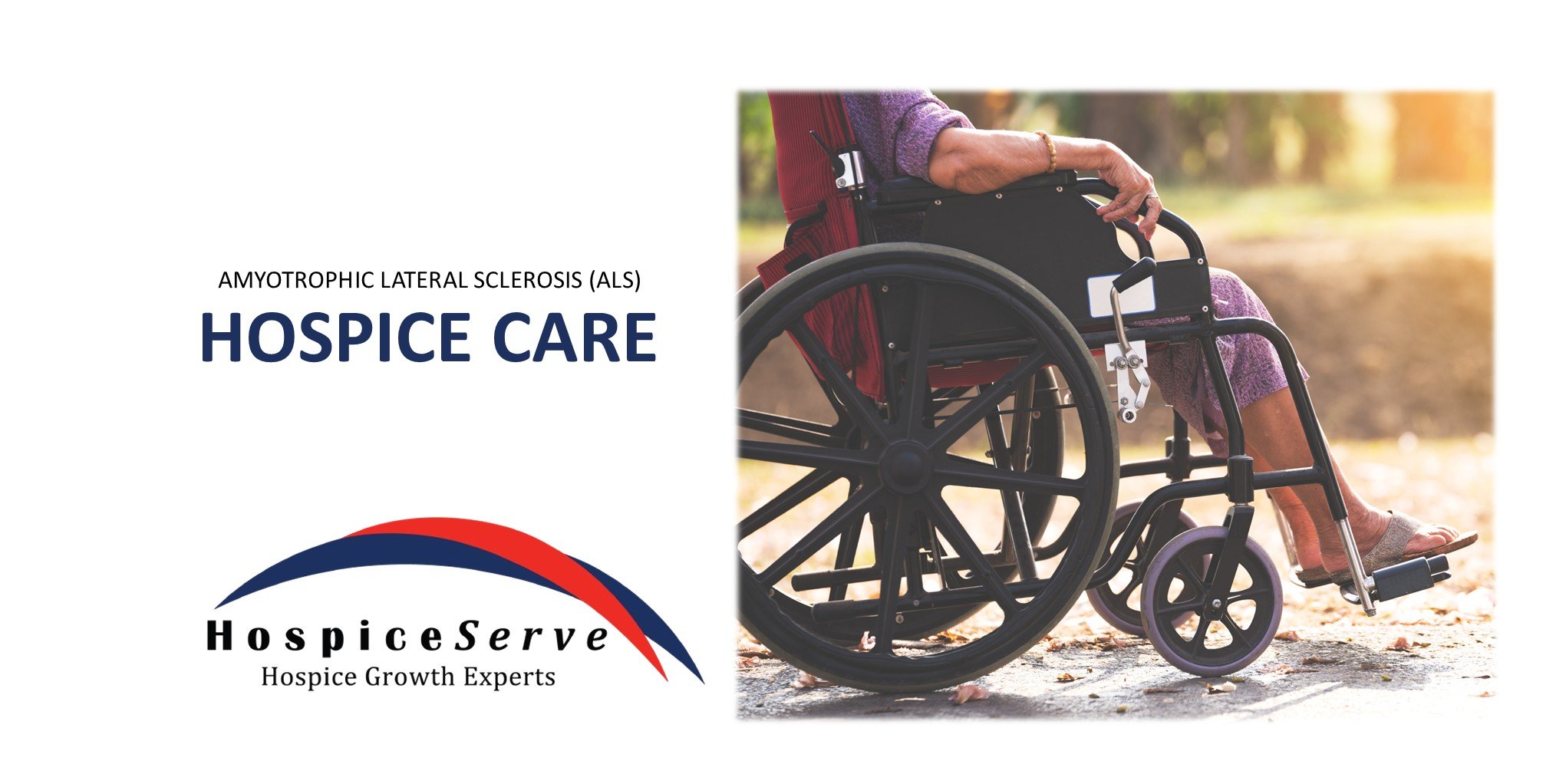
Amyotrophic Lateral Sclerosis (ALS), also known as Lou Gehrig’s Disease, is a progressive neurodegenerative condition that affects the nerve cells responsible for voluntary muscle movement. As the disease advances, individuals gradually lose the ability to speak, move, eat, and eventually breathe independently. While there is no cure, supportive care — including hospice — plays a vital role in helping patients and families navigate the journey with dignity, comfort, and support.
What Is ALS?
ALS attacks motor neurons in the brain and spinal cord. These neurons control muscle movement, and as they degenerate, the body’s ability to control voluntary movements deteriorates. Over time, individuals with ALS become increasingly dependent on others for their daily care.
It’s important to know that ALS affects every person differently. Some experience a slower progression, while others may decline rapidly. Early symptoms can often go unnoticed or be mistaken for other conditions.
Common Causes and Risk Factors
While most ALS cases are considered sporadic, meaning they occur without a clear cause, about 5%–10% are familial, passed down genetically. Other factors believed to contribute to ALS include:
Oxidative stress (free radical damage)
Protein misfolding inside nerve cells
Immune system dysfunction
Chemical imbalances, such as excessive glutamate
Exposure to toxins (e.g., heavy metals)
Smoking history
Age (most common between 50–70)
Male gender (slightly higher prevalence)
Early and Progressive Symptoms
ALS usually begins subtly and progresses over time. Symptoms often start on one side of the body and become more widespread. Common signs include:
Slurred speech or difficulty projecting the voice
Muscle weakness or twitching (especially in arms, legs, or hands)
Difficulty swallowing or chewing
Unstable walking or frequent tripping
Shortness of breath or breathing difficulties
Emotional outbursts (known as emotional lability)
Muscle wasting, particularly in the tongue and limbs
As the disease progresses, individuals may lose the ability to move or communicate without assistance.
Treatment and Care Options
While ALS is currently incurable, a wide range of treatments and therapies can significantly improve quality of life. Care is typically provided by a multidisciplinary team, which may include:
Neurologists
Respiratory therapists
Speech and occupational therapists
Physical therapists
Nutritionists
Gastroenterologists
Mental health professionals
Hospice and palliative care providers
As the disease advances and symptoms become more complex, hospice care becomes especially beneficial, helping patients manage symptoms, reduce pain, and prepare emotionally and spiritually.
The Role of Hospice in ALS Care
Hospice supports patients with ALS when they are no longer pursuing curative treatments and are approaching the final stages of life. Our team focuses on:
Managing breathing difficulties and secretions
Supporting communication and comfort
Coordinating nutrition and feeding needs
Offering emotional, spiritual, and practical guidance for families
Honoring the patient’s goals and preferences for care
If your loved one is facing ALS and symptoms are progressing, we’re here to help provide clarity and support every step of the way.
Reach Out to Our Hospice Team
Caring for someone with ALS is challenging — but you don’t have to do it alone. Reach out to our hospice team to learn how we can help improve comfort, dignity, and peace of mind for your loved one and your family.